Skin Changes After 45: What's Happening and Why It Can Feel So Sudden
- Sarah Foley
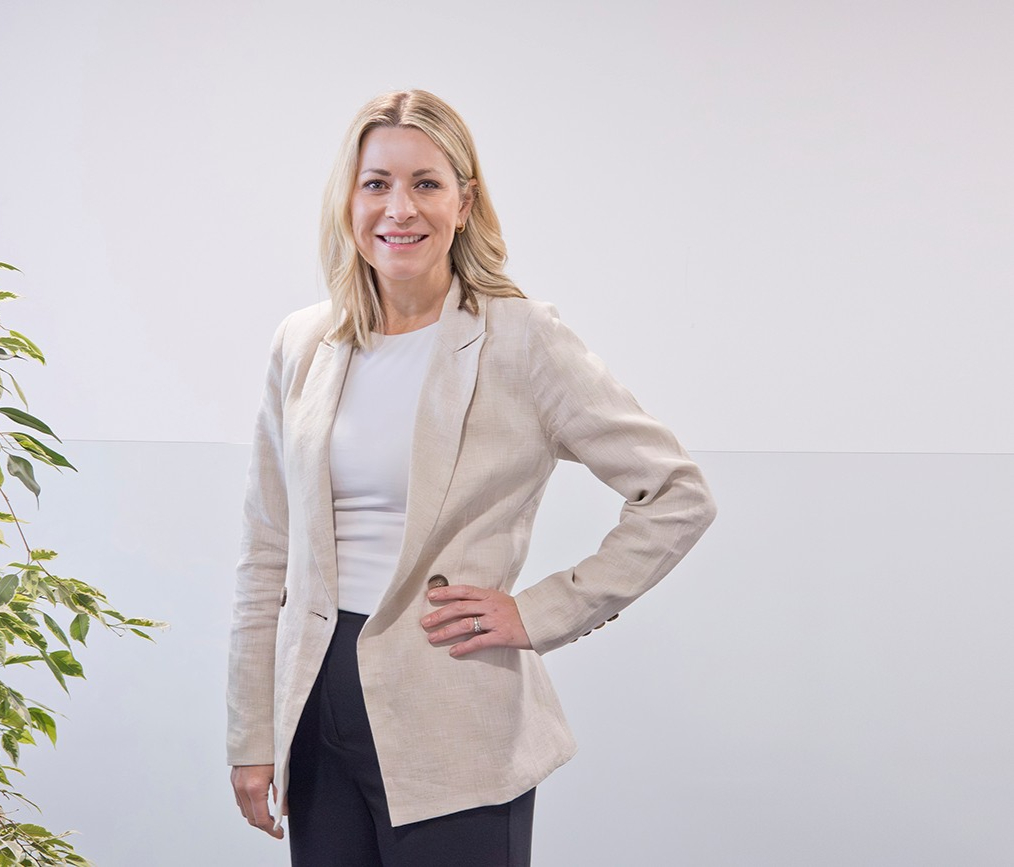
- 14 hours ago
- 4 min read
One of the things I hear regularly from women in their 40s and beyond is that their skin has suddenly changed, and the products they've always relied on just don't seem to work anymore.
It can feel as though it happened overnight. Usually though, what's happening is several gradual changes becoming noticeable around the same time, particularly during the years around perimenopause and menopause.
It's your skin responding to changing hormones and years of environmental exposure. Understanding what's going on makes it much easier to decide what your skin actually needs.
The role of oestrogen
Oestrogen plays an important role in maintaining healthy skin. It's involved in processes that support collagen production, skin thickness, hydration and the function of the skin barrier. As oestrogen levels fluctuate and eventually decline, those processes change too, and the result can be skin that feels noticeably different.
You may find your skin is drier and more dehydrated, thinner or more delicate, less full, less elastic, more prone to irritation, slower to recover from environmental stress, and more affected by fine lines and changes in texture.
Collagen production also declines naturally with age, and hormonal change contributes to that. So if your skin seems less resilient than it was a few years ago, you're not imagining it.
Why your favourite products may suddenly feel different
You haven't necessarily chosen the wrong skin care. Your skin itself may have changed.
A moisturiser that once gave you plenty of hydration may no longer be enough. A product you tolerated perfectly well may suddenly feel irritating. Your skin may absorb moisture differently, or lose it more readily, because the barrier isn't functioning as effectively as it once did.
Rather than continually adding more products, it can be more helpful to step back and ask what your skin is doing differently now. Sometimes the answer is that your routine needs to become simpler, gentler and more focused on supporting the barrier.
Surface changes and structural changes are different
One of the most useful ways to understand facial ageing is to separate what's happening at the surface from what's happening underneath.
Surface changes
These are the changes you can see and feel in the skin itself. Dryness, dehydration, rough texture, dullness and fine lines all sit in this category. This is where skin care and treatments focused on skin quality have an important role.
Ingredients such as moisturisers, humectants, retinoids and antioxidants support different aspects of skin health, while daily sun protection helps reduce ongoing UV related damage.
Structural changes
Underneath the skin, ageing also affects collagen, elastin, fat compartments and the way facial tissues are supported. Volume loss and changes in facial structure can alter contours and proportions.
These aren't a skin care problem. A moisturiser can improve hydration, but it can't replace lost structural volume. Equally, a treatment designed to add volume isn't the answer to a compromised skin barrier. Different changes need different types of support.
Where do injectables fit in?
Injectable treatments can have a role here, but only once you know which change you're actually trying to address.
Anti-wrinkle treatment can be useful for reducing excessive muscle movement that contributes to certain expression lines. Dermal filler may be considered where there has been volume loss, or where specific areas need structural support. Skin quality treatments such as PROFHILO® or SUNEKOS® may be considered when the focus is hydration, elasticity and overall skin quality.
None of these replaces the fundamentals. If your skin is dry, irritated or lacking barrier support, the first step may simply be improving your skin care. And if the changes you're seeing are primarily structural, applying more and more skin care won't recreate what's been lost.
Never underestimate skin care and sun protection
A consistent routine supports the skin barrier and improves the way your skin looks and feels over time. Perhaps the most important daily habit of all is sun protection.
UV exposure contributes significantly to premature skin ageing, including collagen loss, increased pigmentation and changes in skin texture. Protecting your skin from ongoing UV exposure is an essential part of any long term approach to skin health.
Getting older isn't a problem that needs correcting
Ageing is a privilege. Your skin is changing because you are changing, hormonally and biologically, and there's nothing wrong with that.
The goal isn't to make your 45 or 50 year old skin behave like your 25 year old skin. It's to understand what has changed and give your skin the support it needs now. That might mean adjusting your skin care. It might mean focusing on skin quality. It might mean considering a treatment for a specific structural or movement related concern.
Good aesthetic care isn't about fixing your face. It's about understanding it, and supporting it as it changes.
If your skin feels different lately
If you've noticed your skin changing and you're not sure what it needs, you're very welcome to come and talk it through. Consultations at Studio Aesthetics are free, and there's no pressure to book treatment afterwards.
Sometimes the most useful outcome of a consultation is simply understanding what's changed, and knowing what would genuinely help.
Whenever you're ready, you're always welcome to book a consultation.


Comments